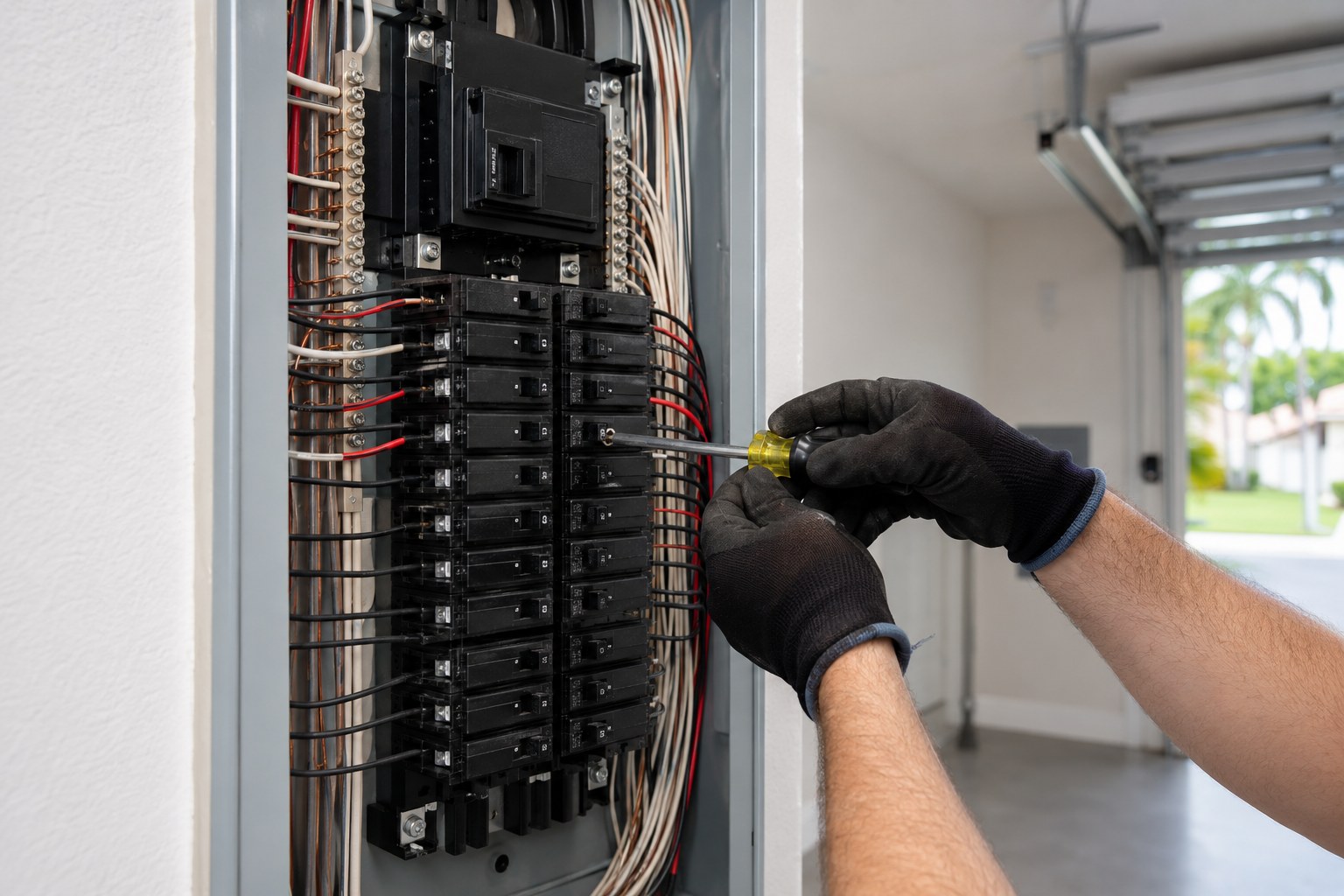
Electrician tightening a breaker in a new labeled electrical panel in a Cape Coral garage

How Much Does an Electrical Panel Upgrade Cost in Florida? (2026 Prices)

The panel upgrade quotes homeowners find online are all over the map, and most of them were written for other states. Here is what electrical panel work actually costs in Southwest Florida in 2026, what moves the price up or down, and the one panel problem that can cost you your homeowners insurance.

The Short Answer: Typical 2026 Price Ranges

For homes in Fort Myers, Cape Coral, and the rest of Lee and Collier counties, these are the ranges we see most often:

  • Like-for-like panel replacement (same amperage, new panel and breakers): roughly $1,500 to $3,000
  • 100-amp to 200-amp service upgrade: roughly $2,500 to $6,000
  • Meter can, riser, or mast work (often needed on older or storm-damaged homes): adds roughly $500 to $2,000
  • Permit and inspection: a few hundred dollars, handled by your electrician

Every number above depends on the condition of what is behind your panel cover — which is why a real quote requires eyes on the panel. Be suspicious of any company that gives you a firm price over the phone without looking. When we quote a panel upgrade in Fort Myers, the price is in writing and it does not move.

What Makes the Price Go Up?

Service size and wire run

Moving from 100 to 200 amps usually means a new meter can, new service entrance wire, and coordination with FPL or LCEC for the disconnect and reconnect. Longer runs between the meter and the panel mean more wire and more labor.

Aluminum branch wiring

Many SWFL homes built in the late 1960s and 1970s have aluminum branch circuits. The panel swap itself does not fix that, but it is the right time to address connections with proper terminations.

Code items that come with the job

When a panel is replaced, inspectors expect current code: proper grounding and bonding, AFCI/GFCI protection where required, and surge protection on new 200-amp services. These are not upsells — they are what passes inspection in 2026.

The Insurance Problem Nobody Warns You About: FPE and Zinsco Panels

If your home still has a Federal Pacific (FPE) Stab-Lok or Zinsco panel, this stops being a “someday” project. These panels have a documented history of breakers failing to trip, and Florida insurance carriers know it. During the four-point inspections required on older homes, an FPE or Zinsco panel is one of the most common reasons a carrier declines to write or renew a policy.

In practice that means the cost of keeping the old panel is not zero — it can be the difference between a normal insurance premium and scrambling for expensive surplus-lines coverage. Replacing one of these panels typically falls in the same range as a standard upgrade, and it permanently closes the issue with your insurer.

Not sure what brand your panel is? Open the door (just the door) and look for the label — or send us a photo and we will tell you what you have.

Signs Your Panel Is Due, Regardless of Brand

  • Breakers that trip repeatedly or feel warm to the touch
  • Buzzing, crackling, or a hot smell at the panel — call for same-day service if you notice this one
  • Fuses instead of breakers, or a mix of mismatched breaker brands
  • No room left for the circuits you want to add — a generator, an EV charger, a pool, a workshop
  • Lights that dim when the AC kicks on

Why Upgrades Are Getting More Common in SWFL

Two loads are driving 200-amp upgrades across Lee and Collier counties: whole-home standby generators and Level 2 EV chargers. Both are large, continuous loads that many 100-amp panels simply cannot host. If either is in your plans, do the panel first — or better, do both in one coordinated job so you only pay for one round of permits and coordination.

What Happens When You Hire Us

Site visit and load calculation, a written quote, permit pulled by us, the swap itself (usually one day, with power off for part of it), county inspection, and utility reconnect. You get a panel that passes inspection, satisfies your insurance carrier, and has room for what you want to add next.

Want a real number for your home? Call (239) 372-9426 or request a quote online. We serve Fort Myers, Cape Coral, and all of Lee and Collier counties.

If your panel is on the insurance hit list, we replace FPE and Zinsco panels every week across the region — see our panel upgrade service in Fort Myers, plus dedicated pages for Cape Coral and Bonita Springs. In Collier County, start with our Naples electrician page.
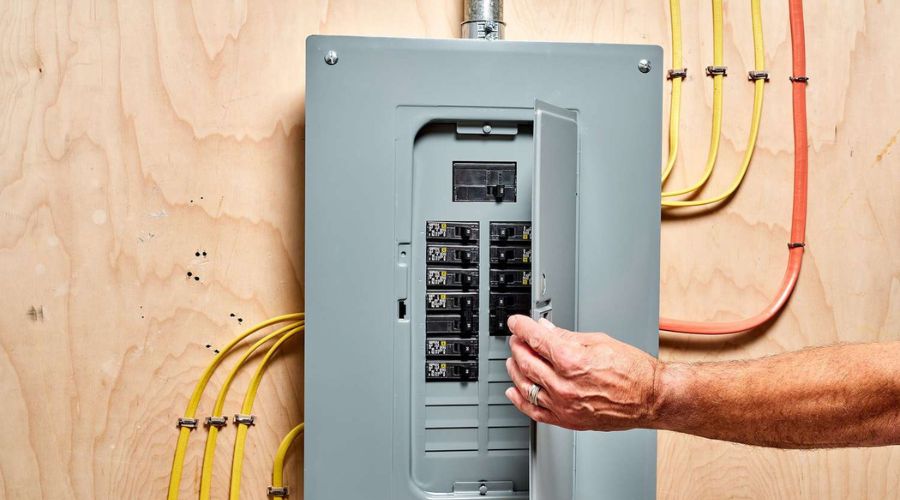
electrical panel

When to Invest in Electrical Panel Upgrade

Signs Electrical Panel Replacement Is Needed

Periodic updates and renovations are a requirement for homeownership. Since the home likely represents the greatest asset for a family, it is necessary to protect its value by investing in it. When it comes to renovations, most people focus on cosmetics and functionality. This avoids the costly investment in things like electrical repairs to the detriment of the home. Before considering any home improvement projects, check if the current electrical panel is right for the home. 

An electrical panel is crucial for distributing electricity throughout homes safely and efficiently. Over time, these panels can become outdated or develop issues requiring replacement. Recognizing the signs that electrical panels need replacing can help prevent potential hazards and ensure the home’s electrical system operates smoothly. Here are some key indicators that it might be time for an electrical panel upgrade.

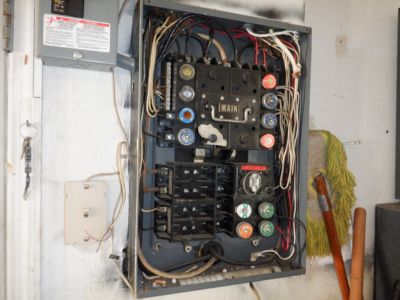
The Home Is Still Operating With a Fuse Box

fuse boxIf a home still operates with a fuse box, it’s a clear sign that it needs a new electrical panel. Fuse boxes are outdated technology and homes with them desperately need modernization. They can create safety hazards, such as the risk of electrical fires due to overloaded circuits. Unlike circuit breakers, which need to reset when they trip, a blown fuse must be manually replaced, which can be inconvenient and costly. Upgrading to a modern electrical panel with circuit breakers enhances safety and improves the reliability of a home’s electrical system.

Corrosion or Old Age Cause Problems

old electrical panelElectrical panels that are old or showing signs of rust and corrosion must be replaced. Corrosion inside the electrical panel can compromise the integrity of the electrical connections, leading to potential safety hazards such as short circuits or electrical fires. Additionally, aged panels may not meet current safety standards or be capable of handling the electrical load of modern appliances and devices. Replacing an outdated or corroded panel with a new one ensures that a home’s electrical system is safe, efficient, and up to code.
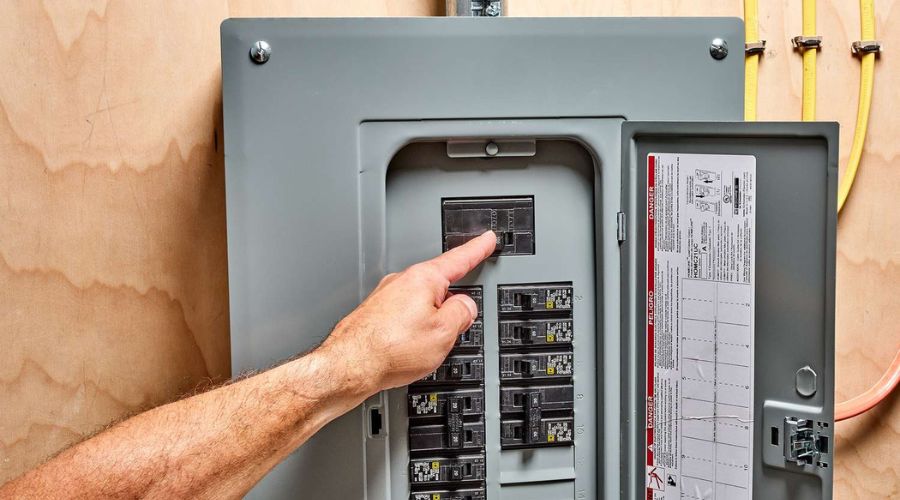
Owners should make an effort to know how old their electrical panel is. This can be done easily by looking for a stamped or printed date inside the panel door. If the panel is over 20 years old, wear and tear can take their toll, and corrosion will likely occur. Updating the electrical panel can remove all potential threats and provide clean, reliable power. 

Circuit Breakers Are Tripping Often

Frequent tripping of circuit breakers is a strong indication that an electrical panel may be insufficient for a home’s electrical needs. Circuit breakers are designed to trip and cut off power to prevent overheating and potential fires when the circuit overloads. If this happens regularly, it could mean that the current electrical panel cannot handle the demand placed on it by modern appliances and electronics. An upgrade to a higher-capacity electrical panel can provide the necessary power distribution, reduce the frequency of tripped breakers, and improve the overall safety and functionality of a home’s electrical system.

About Southwest Florida Electric Inc.

Southwest Florida Electric Inc. provides electrical services, including electrical panel replacement and generator installation. Their technicians are qualified to work on residential and commercial projects, and they provide guaranteed satisfaction. Call today for electrical service in Fort Myers, FL. 

Telltale Signs That an Electrical Panel Needs Repair or Replacement

Ways to Tell if an Electrical Panel Needs Professional Help

If homeowners have never had to think about their home’s electrical panel, they are not alone. Most homeowners don’t have to worry about this part of their home’s electrical system often because they are meant to last a long time, around 25 to 40 years. But if homeowners notice the following scenarios, it’s time to have a professional inspect the electrical panel and perform the necessary repairs or replacements.

Lights That Dim or Flicker When an Appliance is Used

lightWhen homeowners encounter dim or flickering lights, the most common conclusion is that the lightbulb needs to be replaced. While this may be the case in some instances, there are times when the light bulb isn’t the real culprit, especially if the lights that flicker or dim in the house only happen when an appliance or device is plugged in or used.

In such instances, homeowners should call an electrician to conduct an electrical panel inspection since lights shouldn’t be affected by something as simple as plugging in or using an appliance. Upon inspection, a technician may recommend repairing or replacing the panel since flickering or dim lights may indicate that too much power is being drawn from the circuit and it can no longer supply the needed power.

A Burning Smell 

The smell of something burning is never a good sign, especially if it comes from the electrical panel, and should never be ignored. This odor can indicate overheating components that can lead to an electrical fire if left unchecked. An overloaded circuit or loose wiring connection could be the culprit behind this burning smell, so homeowners must immediately call an electrician. 

If the burning smell reeks, particularly of burnt plastic or wood, it could be a sign that the plastic wire coating is melting, or the issue could be behind the walls. It’s essential to take action before an electrical fire can occur. Electricians can inspect the electrical panel and wiring and ensure it’s repaired correctly to prevent a catastrophic event.

An Old or Outdated Electrical Panel 

panelElectrical panels typically last 25 to 40 years, depending on how they are maintained and the quality of their construction. Over time, components can become corroded or outdated, making them less efficient and more prone to breaking down. Eventually, they will need to be replaced to ensure the safety and efficiency of the electrical system. If homeowners are unsure of how old their panel is, it’s always best to get it checked by an electrician who can determine if it needs to be repaired or replaced.

Some homeowners, especially those who have just bought or inherited an old home, need to check if the electrical panel on the house they are moving into is working well, when it was replaced last, and if it’s due for a repair or replacement. Doing this helps ensure that the home they move into is safe, giving them peace of mind that they are unlikely to encounter an electrical panel problem once they’ve settled into their new home.

About Southwest Florida Electric Inc.

Southwest Florida Electric Inc. is a family-owned and operated company serving Fort Myers and the surrounding areas since 2010. They provide upfront pricing, on-time arrivals, and the latest technology. Call them today for electrical panel repair or replacement in Fort Myers, FL.

ELECTRICAL PANEL

Breaker Panel Installation, Service or Replacement

Your electrical panel has a lifespan, even if you aren’t seeing typical warning signs, like constantly tripping breakers or a switch that won’t reset. Your circuit breaker panel should be checked regularly for signs it’s time for service or replacement.

Your electrical panel may need service if your:

  • Wires are hot to the touch, or melted
  • Breaker won’t trip
  • Breakers are constantly tripping
  • Lights flicker
  • Fuses blow

You may need to install a new panel if you’re:

Contact Us

Breaking Panels?

Does it seems like no matter what you do, your breaker keeps tripping. Besides the wasted time tinkering around the electrical panel, you feel constantly on edge about overloading your system.

When too many appliances are plugged into the same circuit, it can become overheated, melting wires and evolving into a serious fire hazard.

Whatever your concern, your electrical panel can easily become in need of repair or replacement. Don’t ignore your circuit breaker issues. Assess your panel, with a certified electrician.

Fully Licenced & Insured

You don’t want just anyone messing with your electrical panel an uncertified, uninsured handyman can’t be held financially accountable for their mess-ups.

You need help from a fully licensed and trained electrician who can diagnosis and fix your problem, safely.

Our electricians must pass a written examination and go through local and national background checks. Not to mention, each must adhere to the latest electrical codes and standards.

We’re here to get the job done right, the first time, saving you time and money.

Curious as to what sets our team at Southwest Florida Electric apart from any other electrician in the area? Explore our advantages.

Need an electric panel assessment, repair or replacement? Fill out the form or call us!

Contact Us

Call Us: (239) 745-5020

3 Signs Homeowners Should Schedule Electrical Panel Repair

When Does an Electrical Panel Need Help?

Electrical panels are often forgotten about because homeowners do not have to think about them unless there is a problem. However, this does not mean that these panels do not need regular maintenance and routine checks. An electrical panel repair is necessary once it stops working since this panel controls the electricity in a home. It is best to look for an expert electrician who has experience working with electrical panels than to try and fix it without additional help.

However, knowing when to call is also key. Homeowners should be on the lookout for the following signs; flickering lights, a burning chemical smell, overall old age, and a lack of maintenance.

Flickering and Dull Lights

The lights of an electrical panel should be vibrant and bright. If the light is not vibrant or does not stay on for long, there could be a problem with either the electrical panel or the lightbulbs that control the lights.

Experts recommend first trying to see if the lightbulb is the problem. These small light bulbs are easy to find in general hardware stores and only take a few minutes to replace and install. If the small lights stop flickering and work, the job is complete. However, flickering or dull lights can sometimes signify an open circuit using too much energy.

Burning Chemical Smell

burning smellThere should never be a burning chemical smell coming from the electrical panel or any electrical line. This is a sign that something is wrong, and homeowners should immediately turn off their lights and unplug outlets. Residents and homeowners should call technicians to solve the problem as soon as possible.

If there is a burning smell, it is usually because the system is overworking and overheating. This is a big problem since the burning smell comes from the electrical panel connected to the rest of the home’s electricity. This is dangerous as just one spark can cause a large fire in a home! It can also cause a short circuit to all outlets, meaning anything plugged in is in danger of frying.

Old Age and Low Maintenance

old electrical panelElectric panels work for a maximum of 30 to 40 years before declining. Wear and tear, age, and a lack of maintenance can decrease the system’s life expectancy. As a homeowner, you are responsible for maintaining your electrical panel. This includes making sure the panel is clean, free of debris, and functioning properly.

Dust and dirt can build up on the panel, which can cause it to overheat and malfunction. Once a month, use a damp cloth to wipe down the panel. Check for signs of wear and tear. Look for cracks, rust, or other damage that could cause problems. If you see any damage, have a professional check it out as soon as possible. Check the panel for loose connections. Over time, connections can become loose, which can cause problems.

Proper maintenance checks can help extend the lifespan of the electrical panel and help catch problems before they occur or worsen. Call a professional about the electrical panel if any of the signs above are noticed.

About Southwest Florida Electric Inc.

Southwest Florida Electric Inc. is a family-owned and operated business serving Fort Myers, FL, and the surrounding areas since 2010. They provide upfront pricing, exceptional customer service, and are fully licensed and insured. Call them today for electrical services in Fort Myers, FL.

4 Types of Old & Recalled Electrical Panels that Should Immediately be Replaced

What kind of electrical panel do you have? If you’re like most homeowners, you aren’t even sure!

But we’ll let you in on a little secret: if your home was built before 1990, you may have an outdated electrical panel. 

Electrical panels are specifically designed with safety in mind. They prevent too much power from flowing to the same area at once and overheating or causing a fire. But many panels installed before 1990 were recalled for their potential safety hazards.

Unfortunately, some homeowners didn’t get the memo and failed to replace their service panels— living with dangerous electrical risks or unintentionally passing the problem onto new home buyers. 

Let’s take a look at some of the most common outdated electrical panels and why they can put you and your family in danger if not replaced:

RECALLED: Federal Pacific Electric Service Panels

Federal Pacific Electric (FPE) panels were very common in homes for over 30 years, until about 1980. Unfortunately, they don’t trip when they’re supposed to, and instead of short-circuiting, can cause fires. And even when the circuit is turned off, power may still be flowing to it, which can cause electrocution. 

If you have this type of panel, it’s fairly easy to spot, as it will likely say, “Federal Pacific Electric” on the front. You can also check inside for the circuit breaker brand label, “Stab-Loc.”

RECALLED: Zinsco Service Panels

If your home was built in the 70s, it may have a Zinsco panel. The circuit breakers in these panels would melt to the bus bar, making it impossible for the circuit to trip. As such, a short or a power surge could melt the wires, causing them to burn. 

If your electrical panel says “Zinsco,” that’s a sure sign that it should be replaced. However, many Zinsco panels were rebranded as Sylvania or GTE-Sylvania panels, which can be just as dangerous. If you have one of these two logos on your panel, have an electrician inspect it.

OUTDATED: Split-Bus

While the first two outdated electrical panels were specific brands, these next two are general designs. Unfortunately, that means you can’t identify them from a logo, and you’ll have to look a little harder. 

Split-bus electrical panels aren’t unsafe in and of themselves, but the design has since been replaced and hasn’t been used in 40 years. That means if you have one, it’s well past its expected lifespan and could cause a variety of problems. 

To see if yours is a split-bus panel, look to see if the breakers are divided into two groups. Modern single bus panels have a single disconnect breaker, but split-bus panels don’t. If you see two groups of breakers and no single disconnect, you may have a split-bus and should look into having it replaced with a newer electrical panel.

OUTDATED: Fuse Box

Fuse boxes were the precursors to the modern circuit breaker. If you have one of these, you probably know it. With a circuit breaker, you can just reset after an overload by flipping a switch. However, if you have too much power on a single fuse, the fuse blows and must be replaced. 

Again, these aren’t inherently dangerous, but replacing fuses, in addition to being a costly hassle, can lead to other problems. First of all, fuse boxes typically have fewer fuses than circuit breakers have circuits. This makes it easier to overload them, and makes replacements more frequent. And if you take steps to reduce blowouts, by replacing the fuse with a bigger one, or by simply putting a coin or other piece of metal in the slot where the fuse was, you can inadvertently create a fire hazard.

Do You Have One of these Old Electrical Panels?

If you find or suspect that you have an outdated electrical panel, call an electrician. They can inspect it and advise you on which current models are the safest and most efficient. 

But it’s important to get a replacement as soon as possible. The longer you wait, the more likely you are to have an incident. Safety first!

Even if you don’t have one of these outdated service panels, there are a number of other reasons why it may be wise to install a new one. Check out our other article 8 Reasons it’s Probably Time to Install a New Electrical Panel

Download Your Very Own Electrical Toolkit

Unfortunately, replacing an electrical panel isn’t something you should do without deep electrical experience and certifications. That’s a job for your local electrician! Not only is this for your own safety to avoid electrocution, but you want to make sure the job is done right to avoid electrical issues in the future.

Want to see if your service panel needs replacement? Explore our Electric Services or give us a call at (239) 307-0716, today. 

If you like to do things yourself, you’ll love The Homeowner’s Easy Electrical Maintenance Toolkit. Our free guide is packed with 13 pages of tips for performing other popular electrical projects all on your own.

homeowners electrical guide

3 Signs It’s Time for an Electrical Ballast Replacement

Are your fluorescent bulbs on the fritz? If you’ve recently been hearing a strange, loud buzzing sound every time you flick on the lights, or are experiencing inconsistent lighting levels, there’s a chance the bulbs themselves aren’t to blame.

Many large corporate lighting panels or office lamps operate with a little help from an electrical ballast. This device regulates the distribution of energy across your lighting fixture, working with a load to limit the amount of current in an electrical circuit.

That means that when your ballast starts to go, your lights have nothing to regulate the current that travels through your bulb’s tube. Eventually, when you flip the lights on, your bulbs will overload and fry!

But if you catch a faulty ballast before it’s too late, you can save yourself the hassle of purchasing all new bulbs. Here are a few signs that your ballast might need replacing:

1. Know if your light even requires a ballast.

This is a great place to start your troubleshooting journey. Not all lights require a ballast to function, so make sure this is your problem. 

Incandescent and halogen bulbs, for instance, aren’t ballast-dependent— and LED bulbs don’t require one either.

Then there are the light bulbs that have a ballast integrated inside, which can’t be replaced separately.

Many fluorescent bulbs, for example, have an internal ballast. Compact fluorescent bulbs (CFLs) often have one integrated too— just like some HID lights often do— but not always. 

Single bulbs with an integrated ballast need to be replaced just like any other bulb when they die or act faulty (you’re not going to tear apart the bulb itself to replace an internal mechanism). However, larger light fixtures may operate with the help of an external ballast.

Commonly, the long strips of T12 or T8 fluorescent lights on your business’s ceiling have one shared electronic ballast, which can be replaced without necessarily needing to swap out the light strips (if you catch the problem before the ballast dies and burns out the bulbs, of course).

Some older parking lot high-intensity discharge (HID) lights also use a ballast, though many modern fixtures use high-efficiency LEDs now instead. 

2. Look for warning signs that the ballast is failing.

After you’re sure you have a ballast, it’s time to investigate.

Typically, if just one CFL bulb is out, try replacing the tube. If you notice that any of these signs affect an entire section of lighting, it might be time to test your ballast:

Buzzing

If you hear a strange sound coming from your bulbs or light fixture, like a buzzing or humming noise, that’s often a sign your ballast is going.  It’s struggling to maintain the current and causing audible voltage regulation problems.

Dimming or flickering

If your bulbs are very slow to reach full brightness or strobe periodically, there may be a problem beyond the bulb. Water-damaged or faulty ballasts often struggle to regulate current. 

No lights at all 

If your bulbs won’t turn on, there’s a fat chance they all went at once from natural causes. Your faulty ballast might have burned them all out!

Changing colors 

Your lights should consistently shine at the same brightness and hue. If you notice a variance in color, your ballast might be on the fritz and surging sporadic voltage levels to your bulbs.

3. Check the ballast itself. 

Oftentimes if your ballast is slowly huffing or completely shot, it’ll be very obvious. Be sure to turn off your fixture’s circuit breaker in your electrical panel before tinkering. Remove the cover over your light and the bulbs themselves before examining your ballast for:

Swollen casing 

This is something you’ll see before you even take the casing cover off. If the plastic is bulging, your ballast is a goner. Very likely, energy overloaded it and damaged the box.

Burn marks. 

Sometimes you have to crack the ballast open to see internal damage. If you see burn marks inside the device or on wires, replace it. It couldn’t handle the current and overloaded. If this is the case, you may need to replace your bulbs too.

Water damage

Is there moisture inside of your panel or the ballast? This is probably what fried the device.

Leaking oil

If you have an older magnetic coil ballast, it could be leaking oil and malfunction. Carefully clean the area before replacing it. 

Professional Ballast Testing & Replacement

Still stumped?

Instead of standing on a ladder and poking around live wires, give the SWFL Electric team a call. We’d be happy to test your ballast and get you a speedy replacement.

Message or call us at (239) 935-5892.

GFCI vs AFCI: Understanding Your Receptacles & Breakers

In the workforce alone, 300 deaths and 4,000 injuries occur from electrocution in the U.S. annually. Hundreds of “everyday” Americans suffer from electrical accidents each year too.

Do you know if your home’s outlets are safe? Save your family from fatal electrical shocks or fires by educating yourself on the receptacles and breakers you use every day.

We’re here to get you familiar with your systems for better protection:

What is GFCI?

GFCI stands for “ground fault circuit interrupter,” sometimes abbreviated as GFI, and is designed to protect you from fatal electrocution from current traveling through your outlets as the result of a ground fault.

Once your device is plugged in, it works by monitoring the amount of power surging through device. If you are blow drying your hair and accidentally drop the appliance into a wet sink, the GFCI detects an interruption in current and can quickly cut power to the outlet.

Much like running too many devices at a time can overload or “trip” your circuit breaker, GFCI offers a form of protection to immediately cut the flow of electricity when you could be in danger or fatal electrocution.

GFCI comes in the form of a receptacle or a breaker, which we’ll break down below”

GFCI Outlet/Receptacle vs. GFCI Breaker

First off, it’s important to note that The National Electrical Code (NEC) requires GFCI compliant receptacles and breakers to be installed in areas with a high potential of water splash like kitchens, bathrooms, laundry rooms, outdoor wall plugs and garages.

You can tell a GFCI receptacle apart from a regular, unprotected receptacle by looking for the two “Reset” and “Test” buttons in the center of the outlet. If you break the circuit, these buttons can be pressed in to reset the power to the outlet, without having to worry about going to a breaker to do so.

GFCI receptacles can be wired in two different ways: single-location or multiple-location. Multiple-location wiring will protect your first GFCI outlet and everyone downstream of it, however, it doesn’t protect the circuit between itself and the service panel.

GFCI breaker boxes, AKA service panels, can be installed to add GFCI protection to your entire circuit.

Receptacle or Breaker: What’s Best for Me?

GFCI breakers are often beneficial for those with outlets behind furniture or in difficult to reach spots, as NEC requires that GFCI receptacles are installed in readily accessible locations to ensure it’s easy to reset. They could also be a good choice for those who don’t have wide cavities between their walls, as GFCI receptacles require much more depth to nest in your wall than a standard one.

Receptacles, on the other hand, could be ideal for a homeowner who only needs two or three GFCI compliant outlets, say for your bedroom, bathroom and laundry room. Not only are they cheaper than a box, but they can be more convenient for those not familiar with using a service panel.

What is AFCI?

AFCI stands for “arc fault circuit interrupters” and interrupts the current from an arc fault, not a ground fault like GFCI.

Simply put, GFCI breakers and receptacles protect you from electric shock if a device is energized, while AFCI protects your circuit wiring from arcing faults which could trigger an electrical fire.

Just like GFCIs, they come in the form of outlets or circuit breakers and are required by the NEC.

What is an Arc Fault?

An arc fault is a discharge of electricity which causes an intense amount of heat, sometimes hot enough to burn the insulation around wires and cause an electrical fire. Loose or corroded wires could cause the initial sparking or an external force such as a tree falling and damaging connections.

Both GFCI and AFCI Can Work in Tandem

GFCIs are put in place to protect against electrical shock, while AFCIs are designed to guard against fire.

For this reason, both systems can work hand-in-hand to ensure your circuits and breakers are protected— and should be used in tandem.

Do you have GFCI and AFCI systems setup in your home?

Our team of electricians can help you determine whether receptacles or breakers are best for you. Contact us today for a consultation or in-home walk-through.

homeowners electrical guide

8 Reasons it’s Probably Time to Install a New Electrical Panel

Most of us only think about our electrical panel when we need to reset a circuit breaker. Other than that, you probably forget it even exists. 

But like everything, electrical panels have a lifespan— and eventually, need to be replaced. Age isn’t the only reason a panel may need an update; in fact, there are a handful of factors besides wear-and-tear that would merit a fresh install. 

Here are eight reasons it’s probably time you replaced your electrical panel:

1. You’re having issues with your circuit breaker.

This is where many home or business owners start: with obvious electrical problems.

Do any of these scenarios apply to you?

  • You’re resetting circuit breakers all the time. If you find yourself in the dark every time you pick up your hairdryer, it’s a sign that your electrical panel is not sufficient for your needs.
  • Your breakers won’t stay reset. You overloaded the circuit, tripped the breaker, and now you have to reset it. But if you flip the switch and the power still doesn’t come back on, that’s a sign that your electrical panel is faulty. (Check out these tips for troubleshooting the trip).
  • You actually have fuses, not breakers. Fuses perform the same function as breakers, they’re just older and less convenient. But heading down to the hardware store every time you blow a fuse is a pain. Plus, in an emergency situation, like a hurricane or other severe weather event, it’s often not an option— leaving you without electricity when you need it most.

2. Your current panel is more than 20 years old.

Older electrical panels were not designed to serve our growing technological needs and like everything, have a lifespan. Not only might your aged panel be unable to power your wide range of high-wattage TVs, computers, etc., but panels installed before 2000 likely don’t meet updated safety standards.

If your home is 25 years or older, be sure to check the age of your electrical panel. Any box older than 20 years should be replaced. Remember, it’s good to check on your panel at least once a year to catch any problems, regardless of how old it is.

3. You’re adjusting your electrical needs.

Anytime you add or replace electronic devices, it’s important to reassess your wattage requirements. Overloads can cause frequent breaker trips, and even damage or ruin your electronics.

If you’ve recently swapped out an old application for a new one or purchased a brand new device, be sure to check your updated energy usage. Larger appliances can eat up a huge portion of your allotted wattage, and adding something like a second refrigerator could push you over the threshold. Estimate your electronic usage with Energy.gov’s Energy Saver tool

4. You’re doing a home renovation.

Are you building a new room? Enlarging your kitchen? Adding outlets to your home office? All these new lights, appliances, ports can really add up. Even if you feel like your lifestyle won’t be terribly affected by the fresh addition or renovation, your electrical panel might— and different rooms on different circuits could overload your breakers.

If your panel is newer and has the necessary space for additional breakers, an electrician can help divide things up accordingly. But if it’s an older or smaller panel, a replacement may be in order to handle the extra load. 

5. You’re listing your home for sale.

If you’ve been putting up with an electrical panel that’s just okay, replacing it before you sell is one thing you can do to show off as a “recent upgrade.” This can help put buyers at ease, knowing it’s one less thing they have to worry about. Plus, the last thing you want is a brownout in the middle of an open house!

6. Your insurance requires it.

If you have a particularly old electrical panel, your insurance company may demand that you upgrade or pay an increased rate. Some insurance companies may even refuse to cover your home at all until your panel has been updated to one in accordance with modern safety regulations. This is especially true if you are still running on fuses. 

Given the information insurance companies have about electrical fires and other incidents, they know the safety concerns better than anyone! If your insurance company is concerned about your electrical panel, it’s time for a change.

7. You’re experiencing performance issues.

If you’re noticing flickering or dysfunctioning lights or have appliances that aren’t operating at full power, your electric panel may be the cause— but not always. It could also be faulty devices or outlets, bad wiring, or poor-efficiency (only to be revealed in the form of a high electric bill!). 

Be sure to investigate or bring in a professional to access the issue. Here are a few examples of when it’s best to call an electrician.

8. You’re concerned about your overall safety.

If you open up your electrical panel and smell something burning or see corroded wires, this is not something to neglect! Be sure to also look out for moisture inside the panel or obviously damaged wires. 

Electric issues inside your box can cause fires that destroy entire homes and businesses— and put your loved ones and staff at fatal risk. Should you see something suspicious in your panel, dial-up an electrician right away. 

Time for a New Electrical Panel?

Electrical issues are nothing to be ignored and can be a serious threat to your family or staff.  Get to know your panel by learning more about circuit breakers on our blog. 

Should you suspect it’s time for an upgrade, don’t hesitate to reach out. We’re here to get the job done right— the first time— saving you time and money.

Check out our Electrical Panel Services page and fill out our form to request installation, service, or replacement today. Or, give us a call at (239) 935-5892.

The Do’s and Don’ts of DIY Electrical Projects

When you own a home, there are many times when doing the job yourself can save you some money instead of hiring the project out. That said, it’s important to remember that you don’t want to do a job bigger than you can handle.

When looking at electrical projects, some of the things you can do yourself include the following:

  • Change a light fixture
  • Replace a wall outlet
  • Replace a switch
  • Rewire a lamp
  • Attach an appliance cord

However, even these things need a little bit of knowledge to accomplish, so make sure you do the proper research before starting your project.

There are jobs you absolutely should not attempt but rather find a professionally trained electrician to do. These are:

  • Rewiring jobs
  • Wiring room additions on your home
  • Wiring breaker boxes

If you are embarking on a DIY Electrical Project, here are some do’s and don’ts you’ll want to consider.

Do: Use Proper Tools

For example, you want to use wire strippers to cut electrical wires. Any other tool might damage the wires and be a hazard to your fingers. Having a flashlight handy is always a good idea, especially if you are in an area where natural light does not reach.

Don’t: Rush the Job

Make sure you have plenty of time to complete your task. Even when changing a light fixture, you may run into an unforeseen issue. Once replaced, if a light fixture is on a switch, that switch may not work after it is turned back on. Make sure you have researched your project fully to know what you should do if this problem arises.

Do: Test All Switches Before You Start

Make sure you know and label what all switches are for. Test them again with a multimeter after you’ve cut the power to make absolutely sure they have no electricity flowing to them. You do not want to start work and receive any kind of shock!

Don’t: Trust Breaker Box Labels

Even though your breaker box is labeled with rooms, it may be different than what you would consider that room to be. If you did not build your home or put on your own breaker box labels, you need to test all circuits before you start work. You may flip a switch for an area labeled as “office” only to find out that the area you think is an office was originally a dining room and was labeled as such. Checking and double-checking that power is cut is the first rule of electric work.

Do: Know When You’re In Over Your Head

If you get into any kind of DIY electrical project and run into problems you aren’t prepared for, it is better to call an electrician than to risk making a small project a large problem. Not just for the wellbeing of your electrical system but for your physical safety as well!


Southwest Florida Electric has a team of experienced electricians who are ready to ensure your home’s electric projects are done properly and carefully. Anytime you need a professional, reach out to our helpful customer service professionals who can provide you with a highly trained electrician for your home project.